Big Data
INTRODUCTION:

Big data has become synonymous with the digital age, representing the vast and intricate web of information that permeates our modern world. It encompasses a staggering volume, velocity, and variety of data generated from numerous sources, ranging from online transactions and social media interactions to sensor readings and multimedia content. As organizations grapple with the challenge of harnessing this wealth of information, the concept of big data has emerged as a cornerstone of modern data-driven decision-making and innovation.
Characteristics of Big Data:
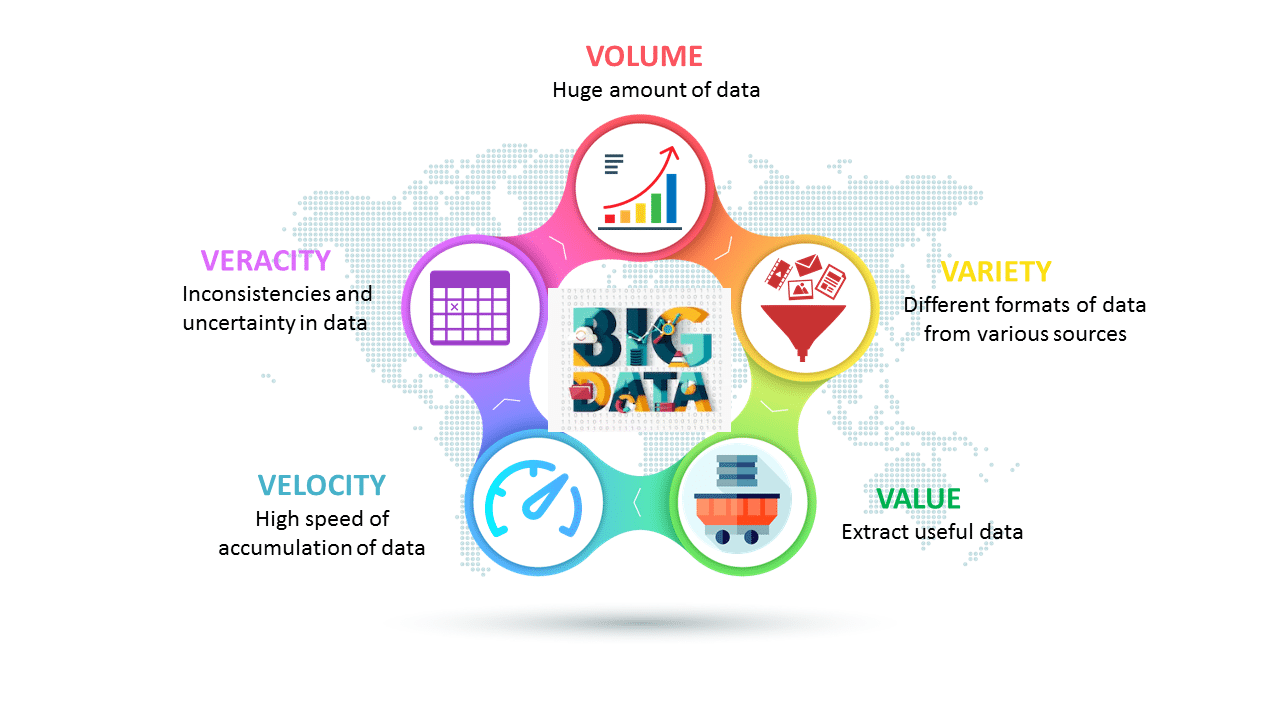
Volume:
- Big data is characterized by its sheer scale, encompassing datasets that range from terabytes to petabytes and beyond.
- The exponential growth of digital technologies and connected devices has fueled this explosion in data volume, presenting challenges in storage, management, and processing.
Velocity:
- Big data is generated at an unprecedented velocity, with data being produced and collected in real-time or near real-time.
- Streaming data sources such as social media feeds, IoT devices, and financial transactions require rapid processing to extract timely insights and responses.
Variety:
- Big data exhibits variety, comprising diverse data types, formats, and sources.
- It includes structured data (e.g., databases), unstructured data (e.g., text, images, videos), and semi-structured data (e.g., XML, JSON), as well as data from sources such as social media, sensors, and logs.
Veracity:
- Veracity refers to the reliability, accuracy, and trustworthiness of big data.
- Big data often contains noise, errors, and inconsistencies that can impact the validity and reliability of analytical results, necessitating careful data cleansing and validation processes.
Value:
- The ultimate goal of big data is to extract value and insights to inform decision-making, drive innovation, and create business value.
- Analyzing big data can uncover hidden patterns, trends, and correlations that provide valuable insights into customer behavior, market trends, operational efficiency, and more.
Tools and Technologies:
Analytics Tools:
- Organizations leverage advanced analytics tools and techniques to make sense of big data, including machine learning, data mining, and predictive analytics.
- These tools enable organizations to extract actionable insights from large and complex datasets, facilitating data-driven decision-making and innovation.
Visualization Tools:
- Visualization tools such as Tableau, Power BI, and D3.js help users explore and interpret big data through interactive charts, graphs, and dashboards.
- Visualization enhances data understanding and communication, allowing stakeholders to glean insights from complex datasets more effectively.
Challenges and Opportunities:
Challenges:
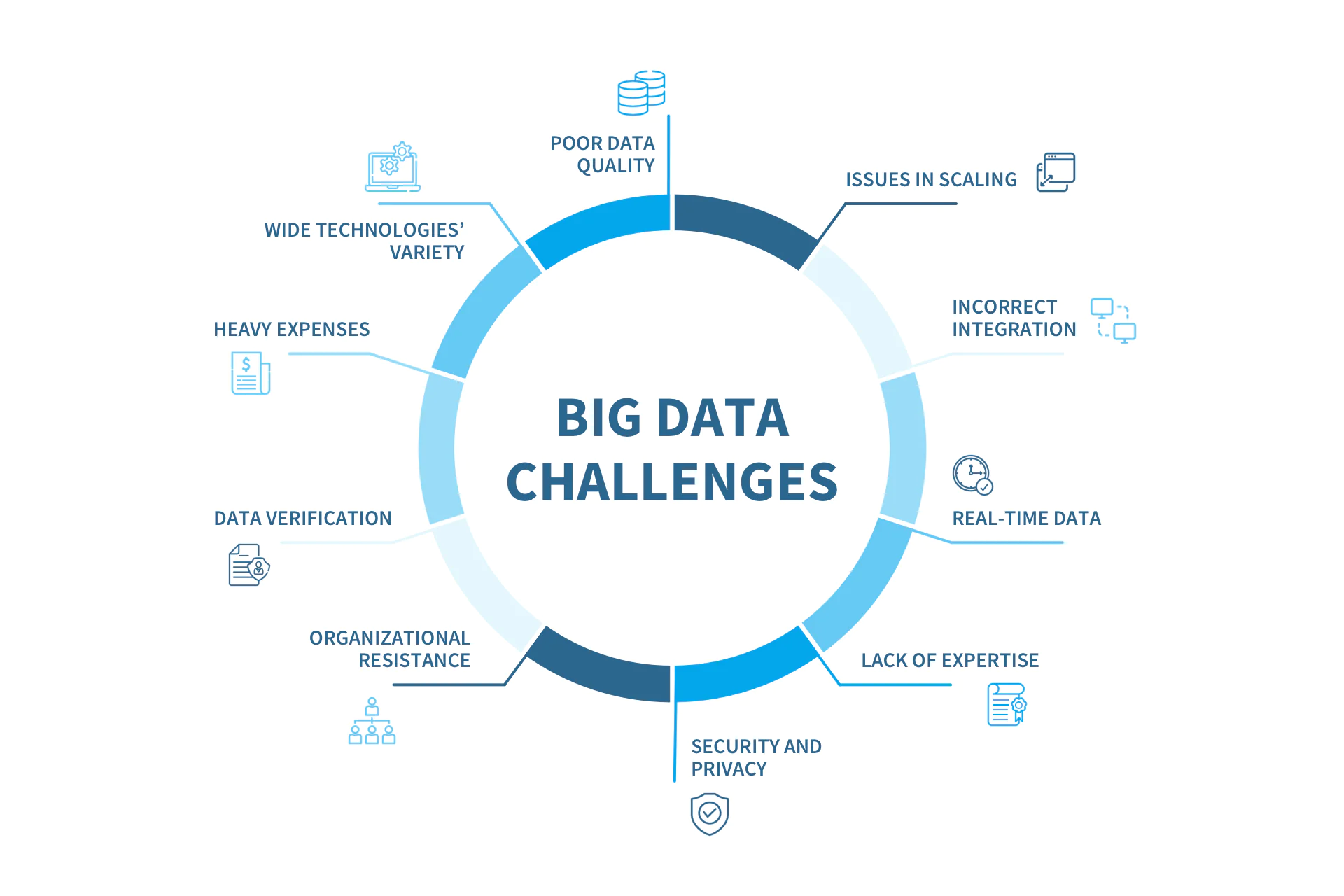
- Big data presents numerous challenges, including data privacy, security, scalability, and governance.
- Ensuring data quality, managing data integration, and addressing regulatory compliance are additional challenges organizations face when dealing with big data.
Opportunities:
- Despite the challenges, big data offers immense opportunities for innovation, insight, and impact across diverse domains.
- Organizations can leverage big data to gain a competitive advantage, drive operational efficiency, improve customer experiences, and unlock new revenue streams.
Applications Across Industries:
Healthcare:
- Big data is revolutionizing healthcare by enabling personalized medicine, predictive analytics, and population health management.
- Analyzing large healthcare datasets can improve patient outcomes, optimize healthcare delivery, and reduce costs.
Finance:
- In the finance industry, big data is used for fraud detection, risk management, algorithmic trading, and customer analytics.
- Analyzing vast amounts of financial data can help organizations identify patterns, detect anomalies, and make informed investment decisions.
Retail:
- Big data is transforming the retail industry through customer analytics, supply chain optimization, and personalized marketing.
- Analyzing customer data enables retailers to understand consumer preferences, tailor marketing strategies, and optimize inventory management.
Manufacturing:
- In manufacturing, big data is used for predictive maintenance, quality control, and supply chain optimization.
- Analyzing production data can help manufacturers improve efficiency, reduce downtime, and optimize resource allocation.
Data Sources:
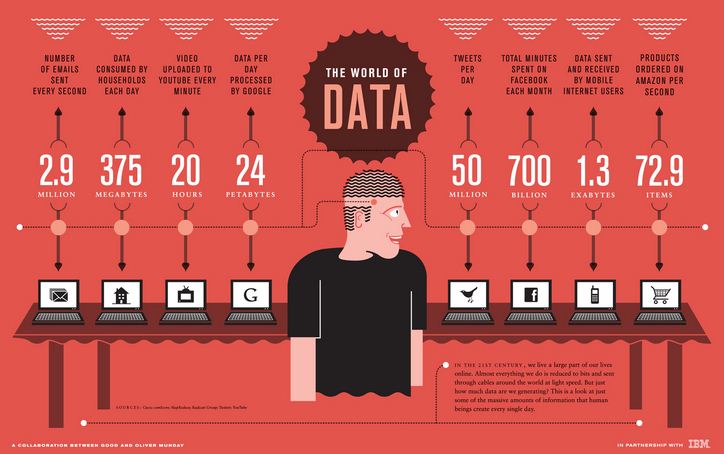
- Digital Interactions: Big data is generated from various digital interactions, including social media posts, online searches, website visits, and mobile app usage. Each interaction leaves a digital footprint that contributes to the vast pool of data available for analysis.
- Internet of Things (IoT): The proliferation of IoT devices, such as sensors, smart devices, and wearables, has contributed significantly to the generation of big data. These devices collect data on environmental conditions, health metrics, energy usage, and more, providing valuable insights for various applications.
- Machine-generated Data: Machine-generated data refers to data produced by automated processes, systems, and machines. Examples include log files, sensor readings, telemetry data, and transaction logs. This data is often generated at high velocity and volume, requiring efficient processing and analysis techniques.
Data Storage and Management:
- Distributed Storage Systems: Traditional relational databases are often inadequate for storing and managing big data due to their limitations in scalability and performance. Distributed storage systems like Hadoop Distributed File System (HDFS) and cloud-based storage solutions provide scalable and cost-effective storage for large datasets.
- NoSQL Databases: NoSQL (Not Only SQL) databases are designed to handle unstructured and semi-structured data formats commonly found in big data applications. These databases offer flexibility, scalability, and high availability, making them suitable for storing and querying large volumes of diverse data.
- Data Lakes: Data lakes are centralized repositories that store raw, unprocessed data from various sources in its native format. Unlike traditional data warehouses, which require data to be structured upfront, data lakes accommodate diverse data types and formats, enabling organizations to store and analyze large volumes of data without predefined schemas.
Data Processing and Analysis:
- Batch Processing: Batch processing involves processing large volumes of data in predefined batches or chunks. Technologies like Apache Hadoop and Apache Spark enable batch processing of big data, allowing organizations to analyze massive datasets efficiently.
- Real-time Processing: Real-time processing, also known as stream processing, involves analyzing data as it is generated in real-time. Technologies like Apache Kafka and Apache Flink enable real-time processing of data streams, allowing organizations to detect and respond to events in near real-time.
- Machine Learning and AI: Machine learning and artificial intelligence techniques play a crucial role in analyzing big data and extracting valuable insights. These techniques enable predictive analytics, anomaly detection, sentiment analysis, and other advanced data analysis tasks that help organizations make informed decisions and drive innovation.
Privacy and Security:
- Data Privacy Regulations: With the increasing volume and sensitivity of data being collected, data privacy regulations such as the General Data Protection Regulation (GDPR) and the California Consumer Privacy Act (CCPA) have become increasingly important. Organizations must comply with these regulations to protect the privacy and rights of individuals.
- Cybersecurity: Big data presents new challenges in cybersecurity, as organizations must safeguard large volumes of data from cyber threats and breaches. Advanced security measures such as encryption, access controls, and threat detection systems are essential for protecting big data environments from unauthorized access and malicious attacks.
Ethical Considerations:
- Bias and Fairness: Big data analysis may inadvertently perpetuate biases and discrimination if not handled carefully. Organizations must be vigilant in identifying and mitigating biases in data collection, processing, and analysis to ensure fairness and equity.
- Transparency and Accountability: Transparency and accountability are essential principles in big data analytics. Organizations should be transparent about how they collect, use, and analyze data and be accountable for the ethical implications of their actions.
Conclusion:
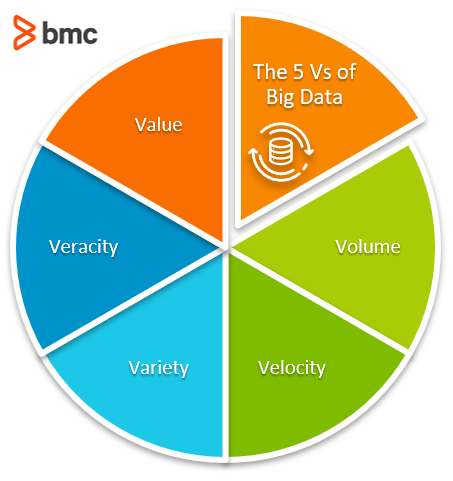
In conclusion, big data represents a paradigm shift in how we collect, store, process, and analyze information in the digital age. Its characteristics of volume, velocity, variety, and veracity present both challenges and opportunities for organizations across industries. By leveraging advanced analytics tools, visualization techniques, and innovative approaches, organizations can unlock valuable insights from big data to drive innovation, improve decision-making, and create business value in an increasingly data-driven world.
Comments
Post a Comment